01 Problem
When mowing, if I engage the self-propel feature at any setting (or speed) higher than 2 (out of 10) the mower powers down.
02 Background
| Model | Ryobi 40V self-propelled lawn mower |
|---|---|
| Age | Approximately 2 years old |
| Service History | Used regularly during mowing season; no prior issues with the transmission. |
| Transmission Function | The self-propel transmission is designed to engage and assist the operator in moving the mower forward, especially on inclines or thicker grass. |
| Significance of Issue | The issue is significant because it limits the mower's functionality and could indicate underlying mechanical problems that may worsen over time. |
03 Observations
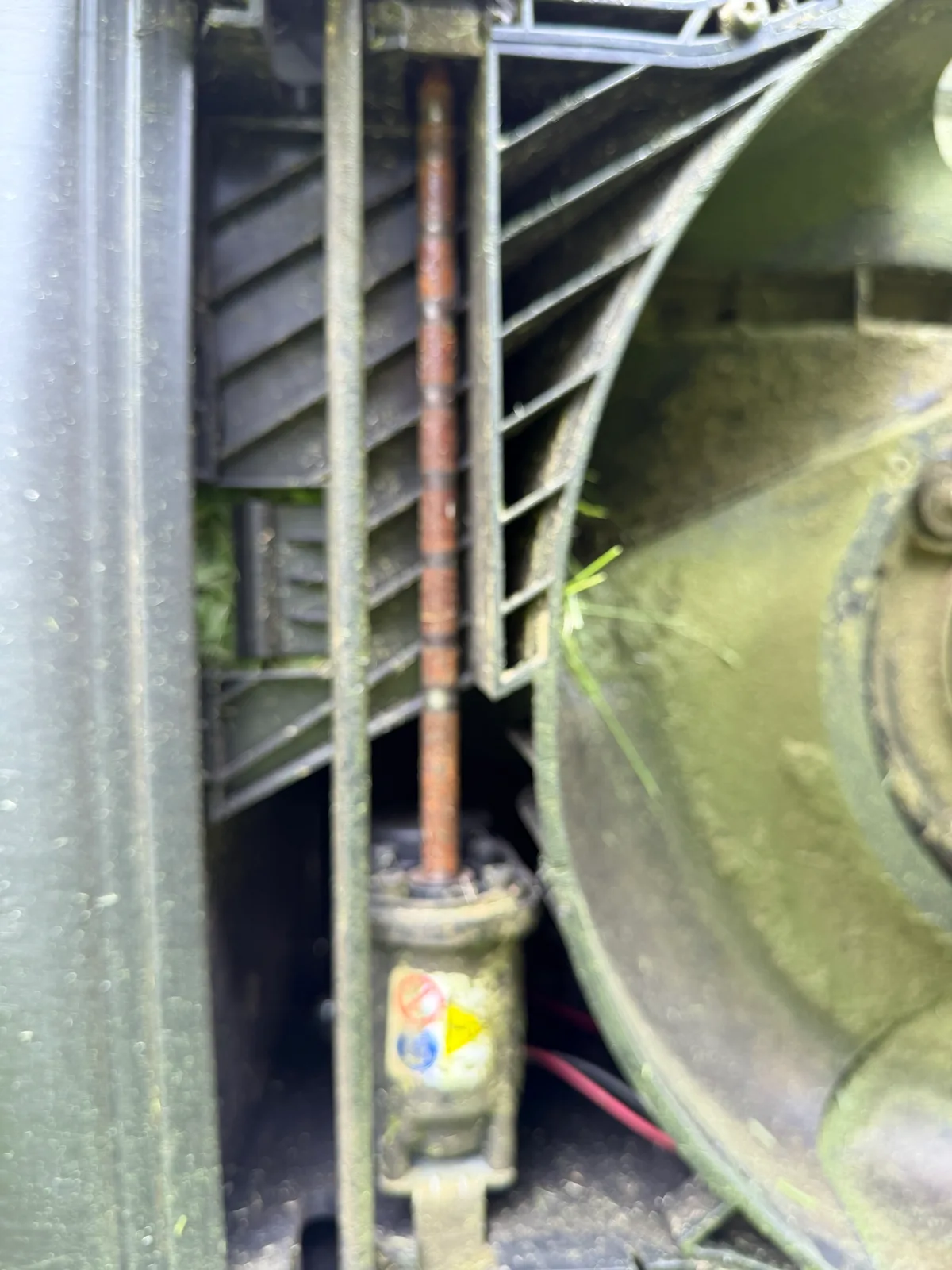
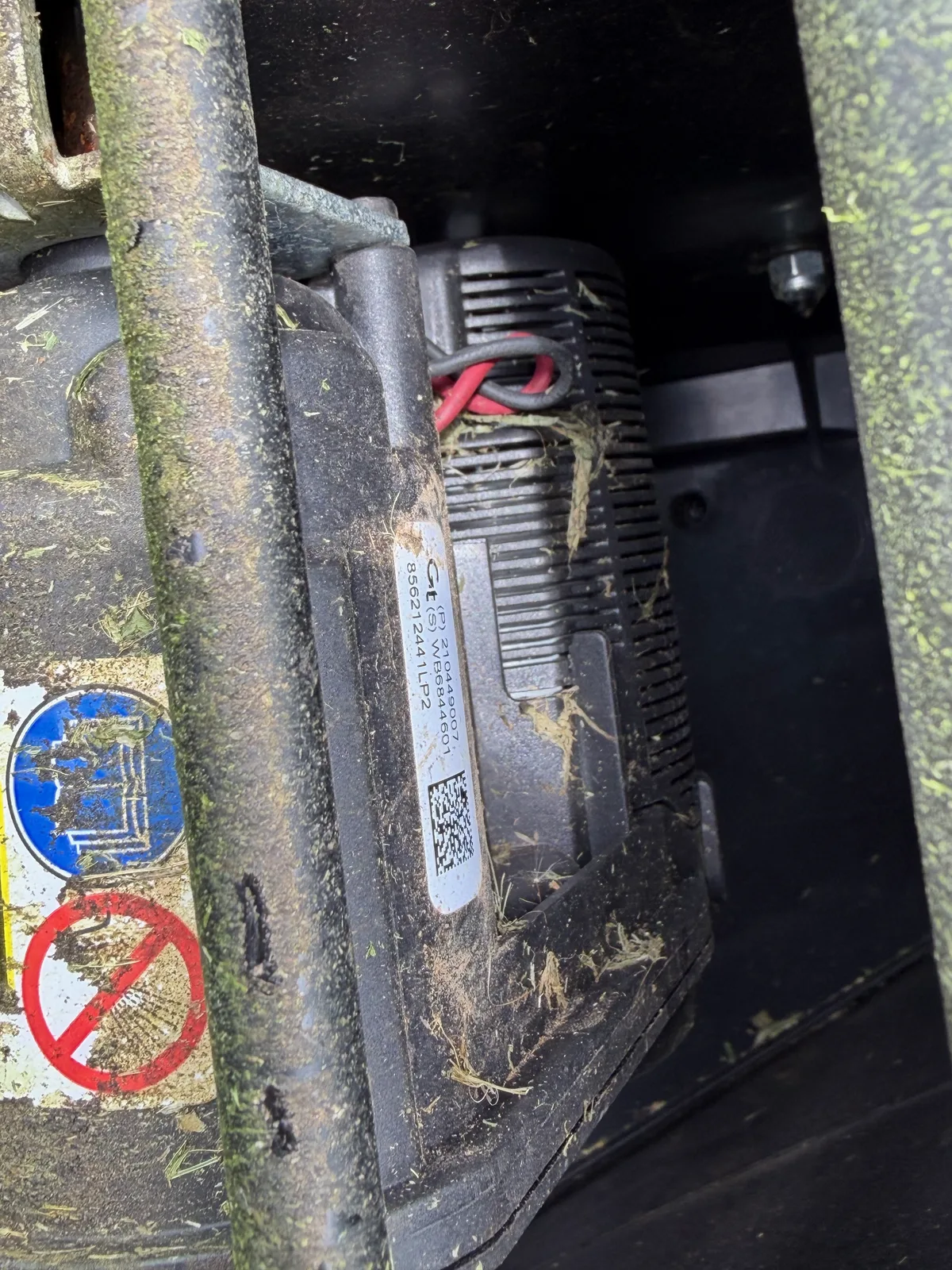
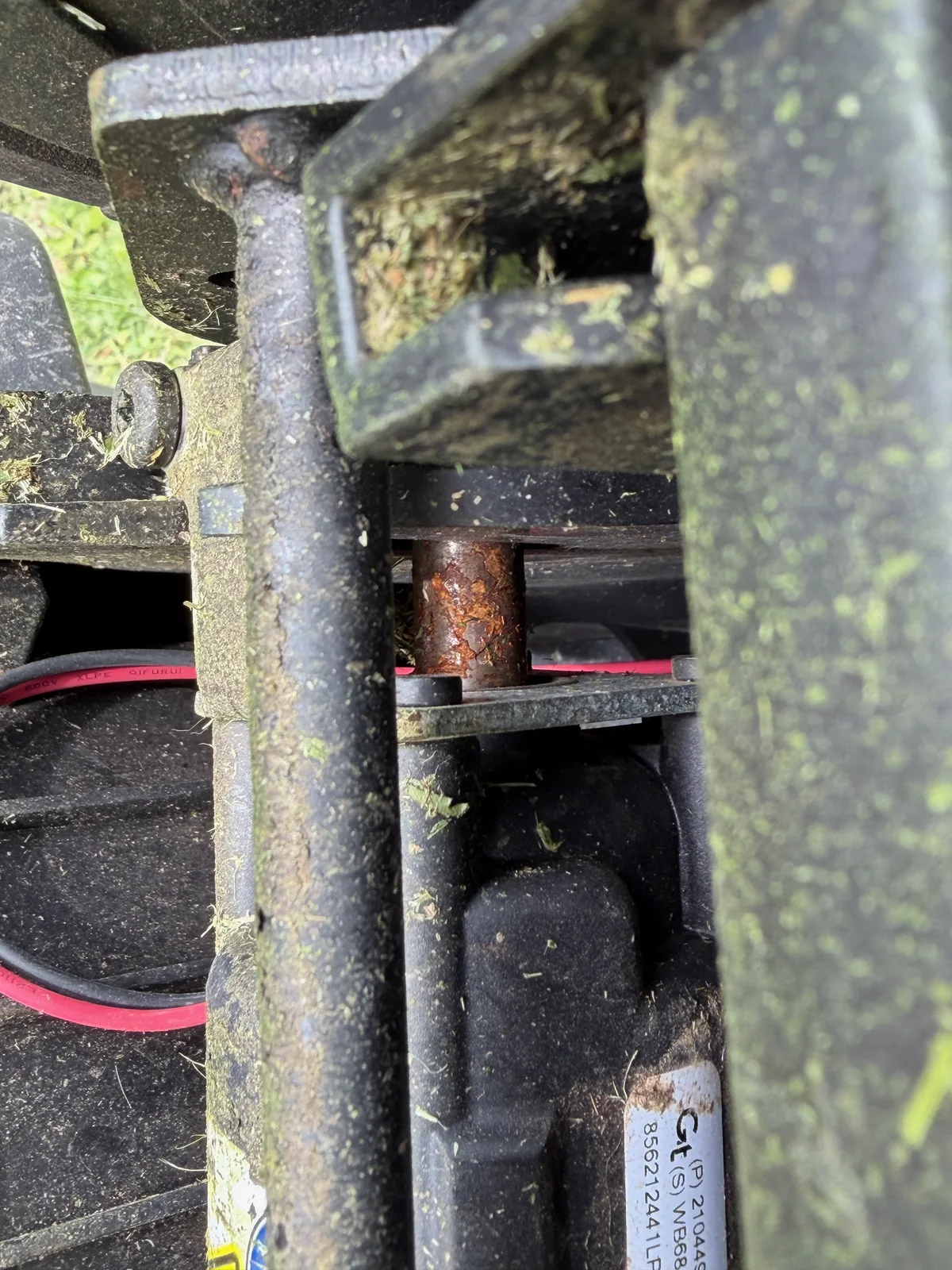
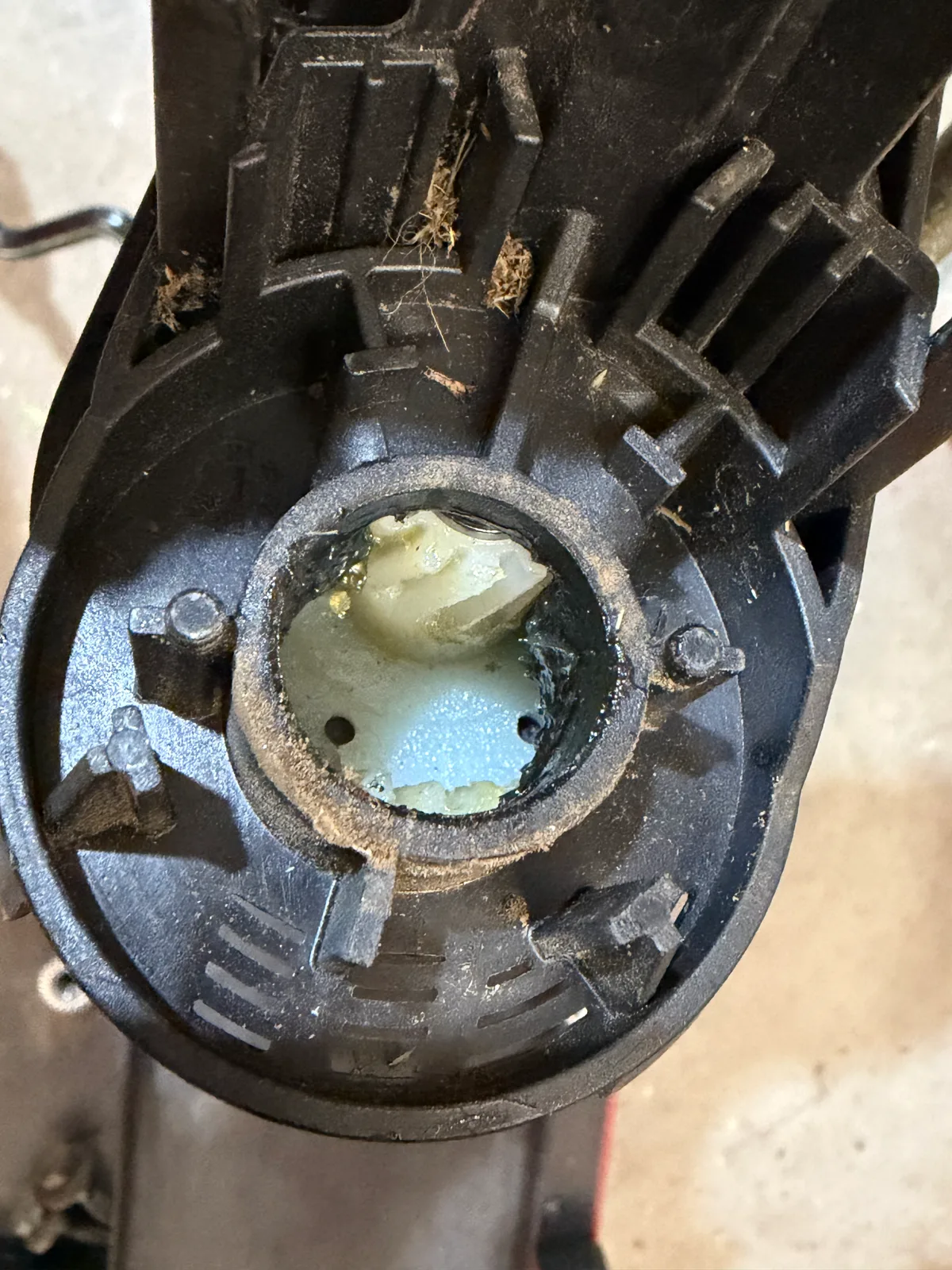
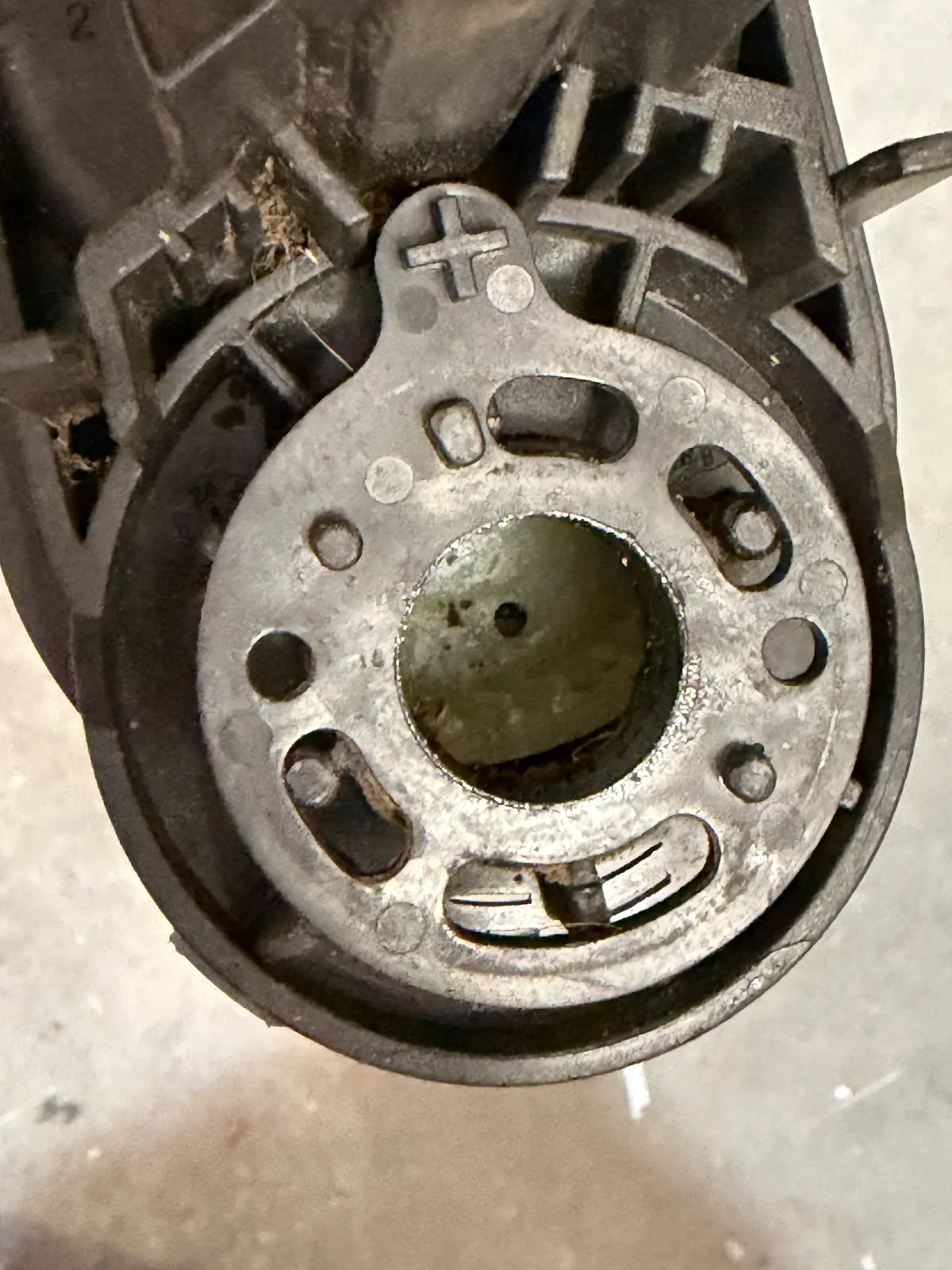
It seems to be related to the transmission. Perhaps an over current issue. If I don't use the self propel feature, the mower works fine. So it seems to be isolated to the transmission or drive mechanism for the self propel. I disassembled the transmission and observed a lot of rust and compacted grass debris. The transmission gears also have s ome scarring. My hypothesis is that the rust and debris are causing increased friction, which leads to higher current draw when the self-propel is engaged, triggering a safety shutdown. I'll need to clean the components and test the current draw to confirm this.
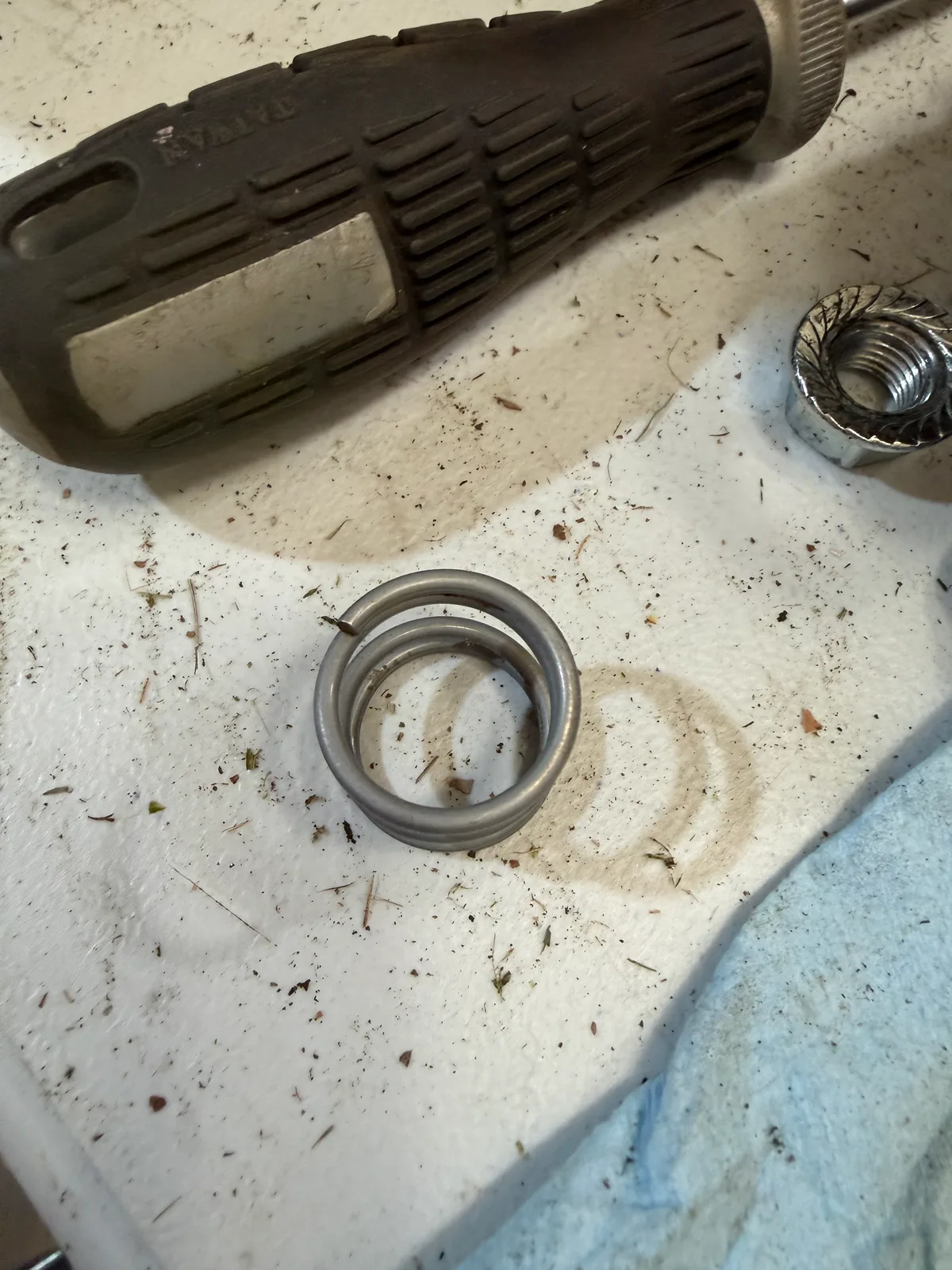
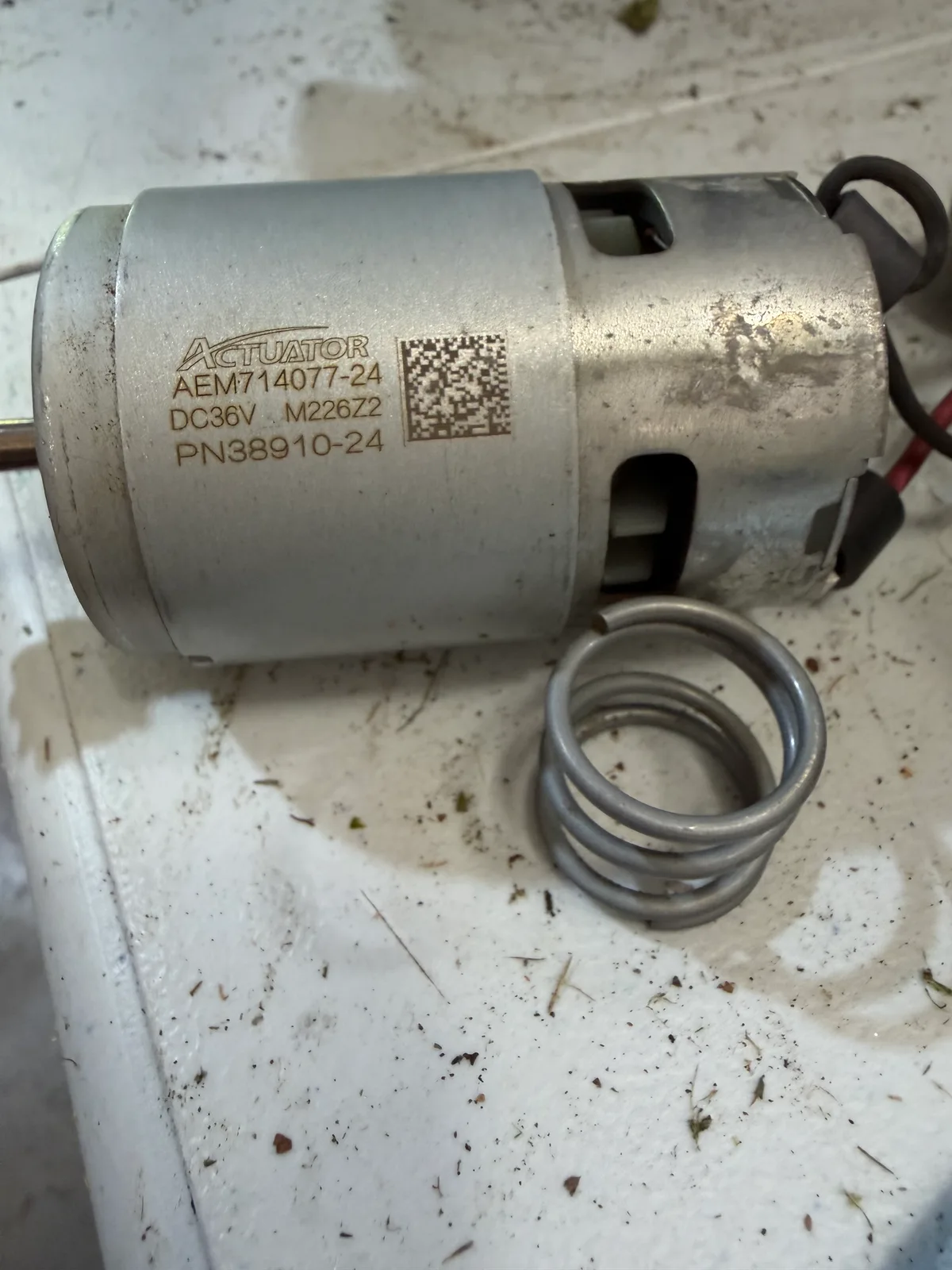
I took it upon myself to disassemble the transmission to get a better look at the internals. The photos below show the condition of the transmission components after disassembly. The presence of rust and compacted grass debris is evident There is also noticeable scarring on the transmission gears, which could indicate wear or damage that may be contributing to the issue. I also noticed a lack of lubrication on the gears, which could be exacerbating the friction and leading to the symptoms I'm experiencing. I cleanedcomponents thoroughly, removed any rust, and applied proper lubrication before reassembling and testing the mower again. unfortunately, the issue persists, which suggests that the problem may be more complex than just surface rust and debris. I may need to investigate further for potential internal damage or electrical issues within the transmission assembly.
I now have a few decisions to make:
- Replace just the transmission. So far, I've been able to find one, but I'm not 100% confident this will resolve the issue.
- Exercise a warranty option. I forgot I had that until I disassembled the transmission.
- Just purchase a new mower. This is the most expensive option but ensures a fully functional unit.
04 Hypotheses
- Overheating is causing the lawnmower to stop running when engaged at higher speeds.
- Current draw is too high, causing the motor to overheat, causing the mower to shut off.
- There may be an issue with the electrical connections or wiring.
- A loose connection could be causing intermittent power loss when the self-propel is engaged.
- Damaged wiring could be causing a short circuit, leading to the mower shutting down.
- significant debris accumulation and/or rust is causing high resistance in the transmission.
05 Experiments
| Test | Purpose | Outcome |
|---|---|---|
| Clean and lubricate transmission components | To determine if rust and debris were causing increased friction and current draw. | Issue persisted, suggesting that surface rust and debris were not the sole cause. |
| Replace aging batteries with fresh ones | To determine if battery degradation was contributing to the issue. | Issue persisted, suggesting that battery degradation was not the sole cause. |
| Replace blade | To determine if blade resistance was contributing to the issue. | Issue persisted, suggesting that blade resistance was not the sole cause. |
06 Results
- Discovered significant wear on the transmission gears, which is likely the root cause of the issue.
- Found that the lack of lubrication was contributing to the friction and wear.
- Purchasing a brand new battery did not resolve the issue.
- Purchasing a brand new blade for the motor did not resolve the issue.
- Rotating blade by hand did not indicate any issues. No noticeable resistance. Though I don't remember if the mower blade should spin freely or not.
07 Lessons Learned
It's possible all of my assumptions about the problem are incorrect. I do not have the necessary expertise to fully diagnose the issue. Specfically, I'm unfamiliar with the 40V architecture. It's possible that a voltage clamp could help me better diagnose the issue. Having a voltage clamp could/would tell me if there was increased resistance (or voltage drop) when engaging the transmission on higher speeds.